


Farnborough 2026 Recap
Narrowbody upgrades: Both the Boeing 737 MAX (new de-icing system) and Airbus A320neo family (STEP4 efficiency package) received key upgrades improving performance, efficiency, and supply chain simplification — a major win for Boeing freeing up engineering resources for 777X certification.
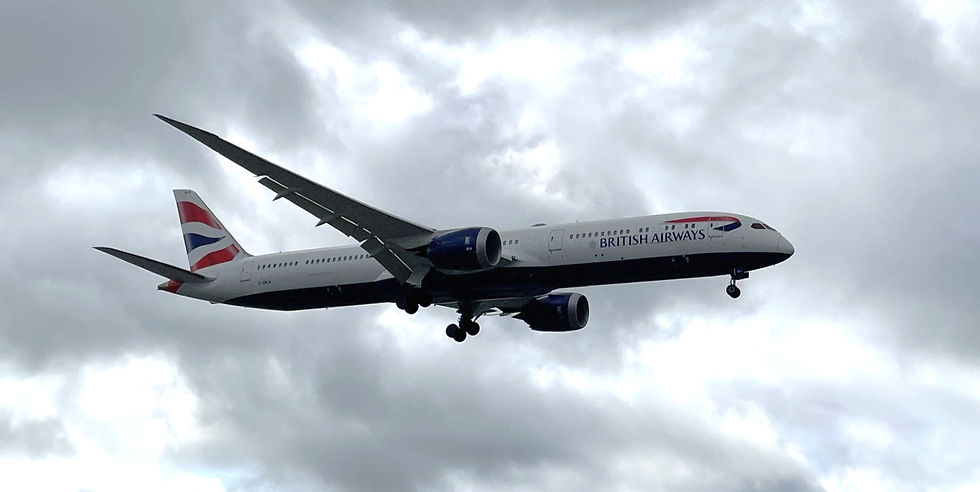
Boeing 787-10 momentum: The 787-10 is gaining traction (Philippine Airlines and Riyadh Air each ordered 20), driven by a recent MTOW upgrade that makes it ideal for high-capacity medium-haul routes, especially in the Middle East and Asia.
Aircraft leasing's growing importance: AerCap's order for 15 additional 787-9s highlights how leasing companies give airlines flexibility to respond quickly to demand surges without waiting for factory deliveries, while also giving lessors leverage over manufacturers through bulk discount purchasing.
Riyadh Air's emergence and Airbus' uncertain strategy: Riyadh Air ordered 28 Dreamliners and firmed up six A350-1000s, positioning itself as a new Middle East competitor, while Airbus faces an unclear narrowbody roadmap with three overlapping families (A220, A320neo, and a new clean-sheet aircraft targeted for 2030) needing more strategic clarity.
Last week, the 2026 Farnborough Airshow showcased the best of aviation and gave us a taste of what the future holds in the industry. Recently I watched Coby Explanes’ video about the winners and losers of this rendition of Farnborough and he had good insights about the event. The key takeaways that I took from this airshow is how key technological developments of aircraft allow customers to receive a better product when delivered. In addition, the importance of leasing companies in aircraft procurement allows airlines to have more flexibility when it comes to fleet management. Next, Farnborough 2026 gave Riyadh Air the opportunity to flex their muscles as a new carrier to be reckoned with as they announced new orders. Lastly, Airbus’ future with their narrowbody lineup is looking less efficient with three narrowbodies in their future lineup. So with that said, here are the biggest takeaways from Farnborough 2026.
Evolution of Current Narrowbodies
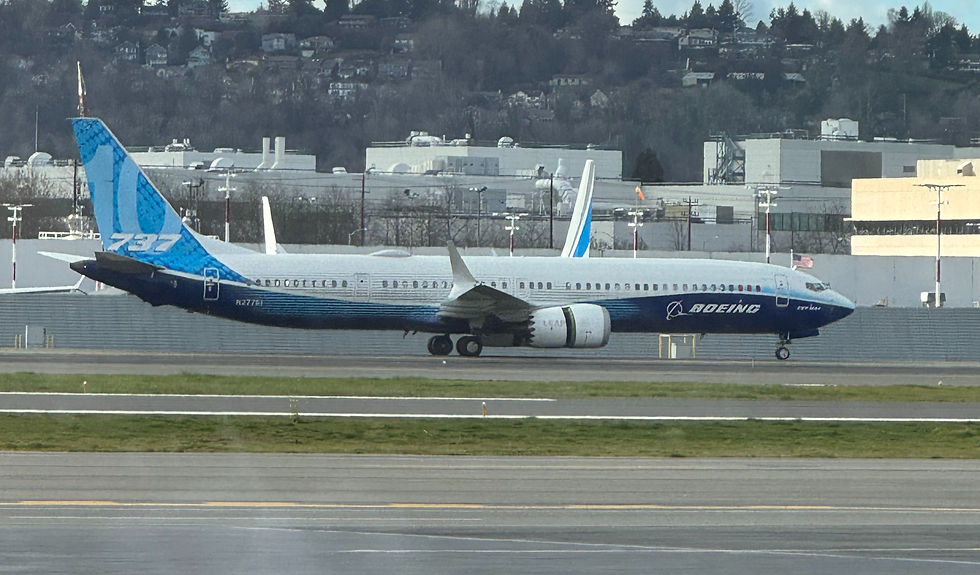
In Coby Explanes’ video, he talks about how the A320Neo and Boeing 737 MAX series both received newer upgrades to improve efficiency. Starting with the 737 MAX, the plane will finally get an upgraded de-icing system that gave Boeing fits for years. It’s the main reason as to why the MAX 7 and 10’s certification process is taking longer than Boeing would like. If the de-icing system is left on for too long in cold dry air, the inlet would overheat and cause structural damage. Not only will the MAX 7 and 10 will benefit from this upgrade, but so will other variants in the MAX family. Ultimately, it allows the MAX family to operate at its full potential. This is a huge win for Boeing because it would allow the manufacturer to pour in their engineering resources into getting the 777X and its subsequent variants certified.
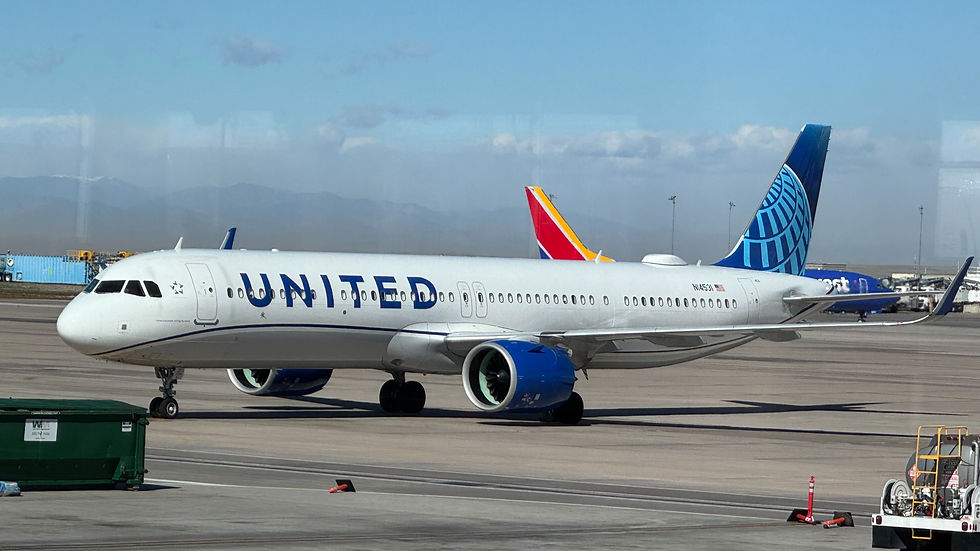
In addition to the 737 MAX the A320neo family are getting upgrades as well. The European manufacturer announced an improvement package known as STEP4 (Synchronized Targeted Embodiment Point). The package takes the technologies developed for the A321XLR and integrates them into the rest of the A320neo family. This includes a lighter wing, single slotted flaps, new electronic rudders, and better corrosion protection.
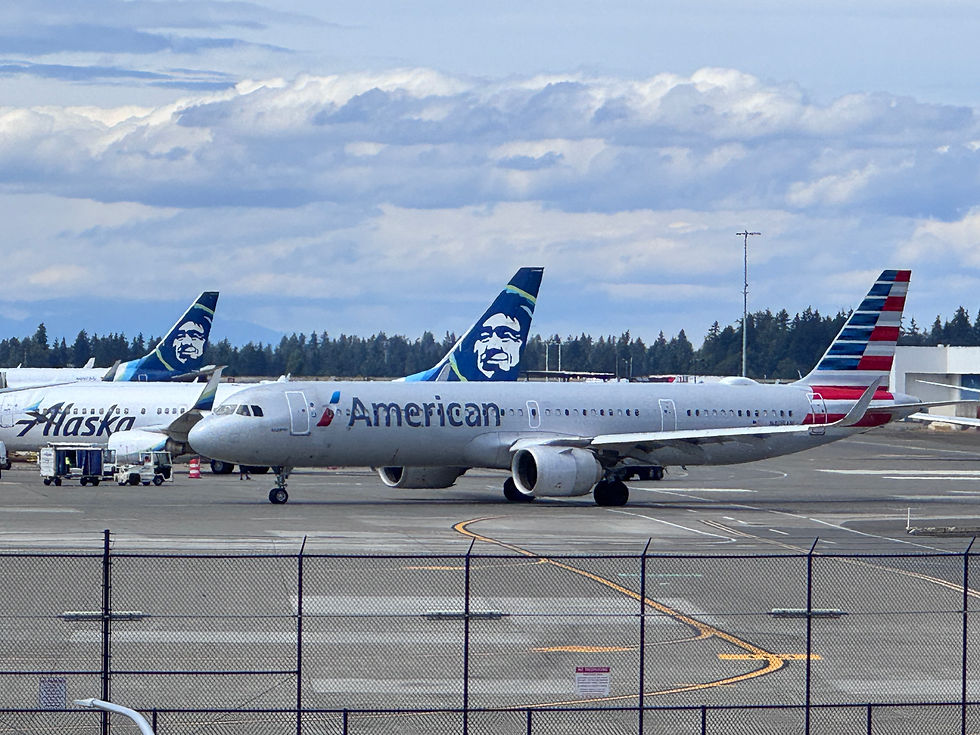
While there are not big changes, it will make the aircraft lighter, more efficient and easier to maintain. More importantly, it eases the burden on Airbus’ supply chain by making sure that every aircraft in the A320neo family runs through the same Airbus production system. But it isn’t just narrowbodies that are benefiting from the innovations.
The Boeing 787-10's Moment
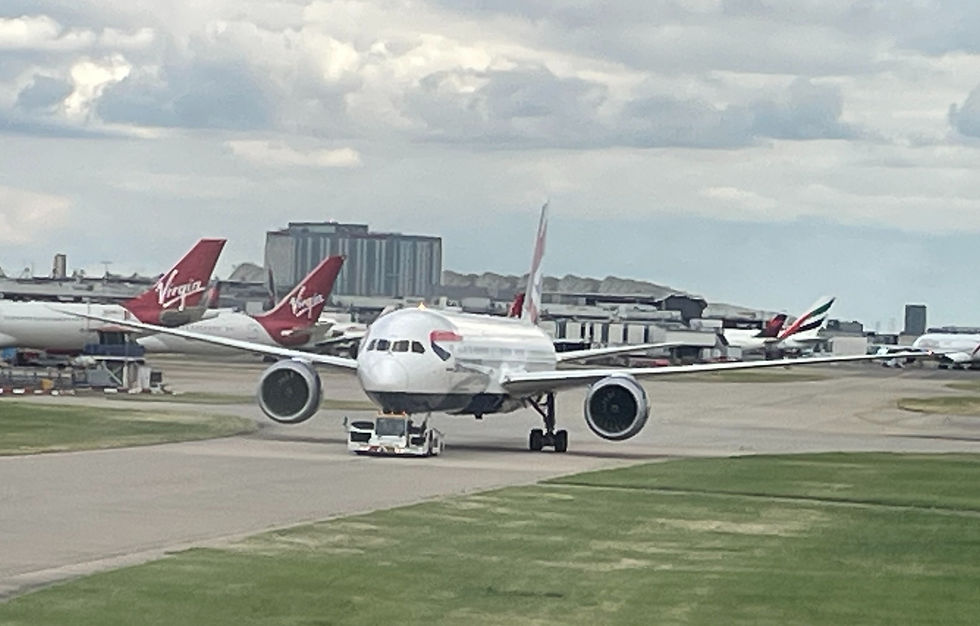
Recently, the Boeing 787-10 started to gain popularity with customers. At Farnborough, the type acquired two new customers in Philippine Airlines and Riyadh Air each ordering 20 units. And the popularity of this specific variant skyrocketed ever since Boeing upgraded the types MTOW (Maximum Take Off Weight). But the type was always popular in the Middle East and Asia. Specifically for regional routes such as Abu Dhabi to Riyadh or Singapore to Hong Kong. Also according to Jon Ostrower in The Air Show podcast, he stated that there are limited slots available at airports around the world and by adding more seats by stretching the aircraft.
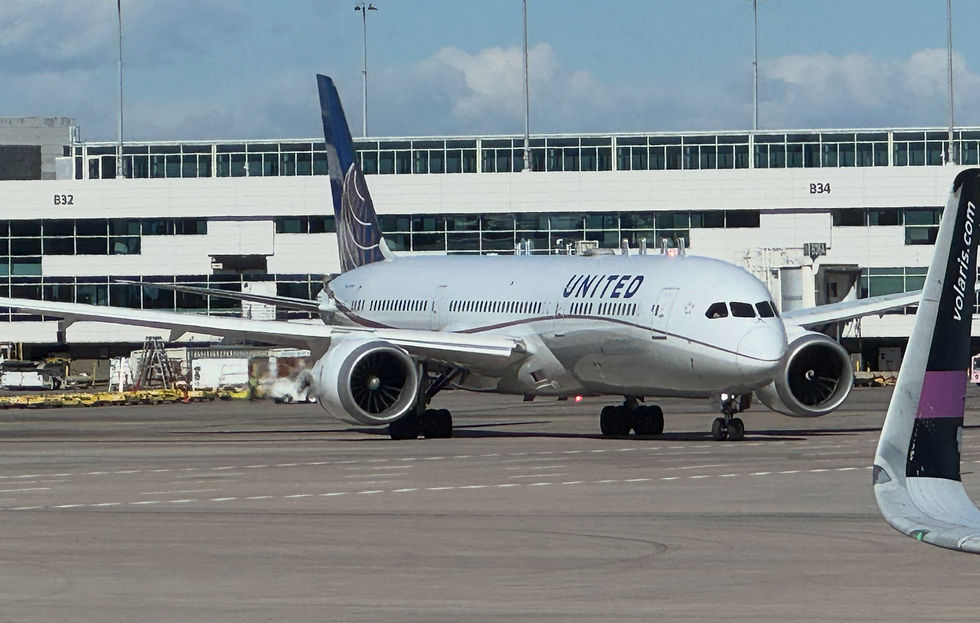
The recent upgrade to the Dreamliner allowed Boeing to offer more flexibility for airlines to have longer routes as well as commit to high-capacity medium distance routes. Since there is a lot more to cover about the 787-10’s upgrades, that can be discussed in a future blog post down the road due to other airlines expressing interest in the type. But for now, let’s look at the next big takeaway.
Importance of Aircraft Leasing

In addition to technological advances, the aircraft leasing company AerCap ordered 15 more 787-9 Dreamliners adding to their portfolio of 140 planes. It even includes an option to upgrade them to the 787-10. Given the volatility of the airline industry in general due to recent geopolitical tensions and the push for sustainability, leasing companies are more important than ever when it comes to fleet procurement.

William Charles Snyder in his 2024 post states that “airlines that face fluctuating travel demands or economic challenges are more inclined to lease aircraft as opposed to purchase.” So basically if there is a sudden surge of demand, a leasing company like AerCap can be contacted by United Airlines to lease a couple of Dreamliners to keep up with unexpected surges in demand right away without having the need to wait for a fresh delivery from Boeing thus reducing disruption. It gives leasing companies more leverage over aircraft manufacturers because they can procure large numbers of aircraft at a discount. And who knows, maybe this emerging player in the Middle East might benefit from this.
Introducing Riyadh Air
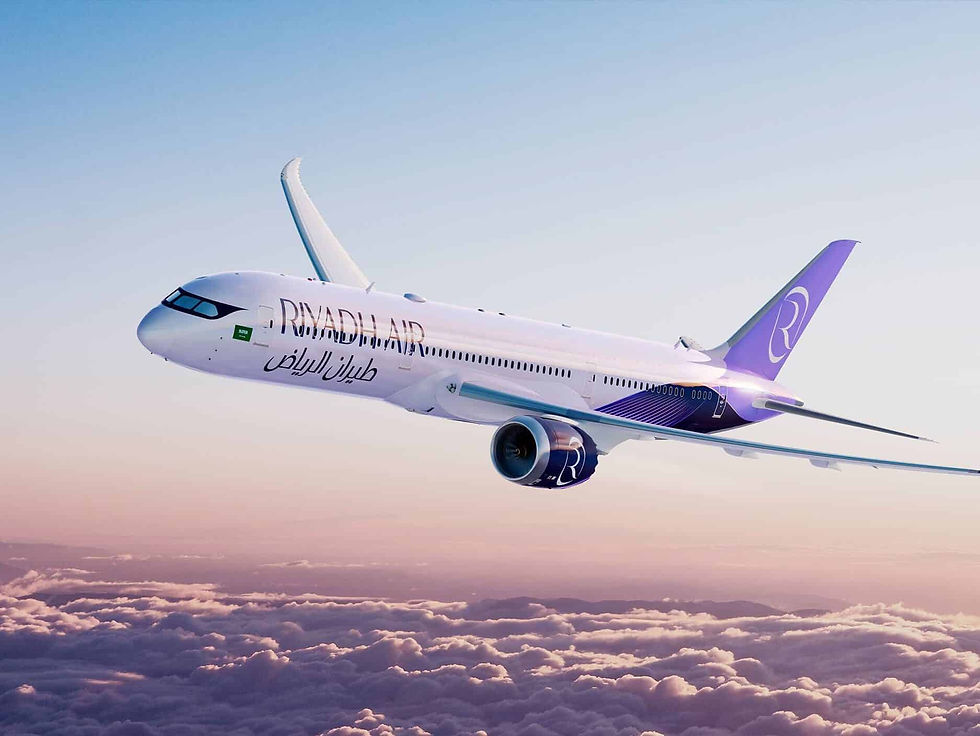
The 2026 Farnborough Airshow gave Riyadh Air an opportunity to steal the spotlight by ordering more widebody aircraft. The carrier ordered 28 Dreamliners (20 being the 787-10) as well as firming up six more A350-1000s. This keeps the airline on track to have 8 more in-service aircraft as well as serving 22 more destinations by March 2027. With the disruption in traffic due to geopolitical tensions in the Middle East, Riyadh Air took advantage of the disruption by securing these delivery slots ahead of time before tensions eventually ease.
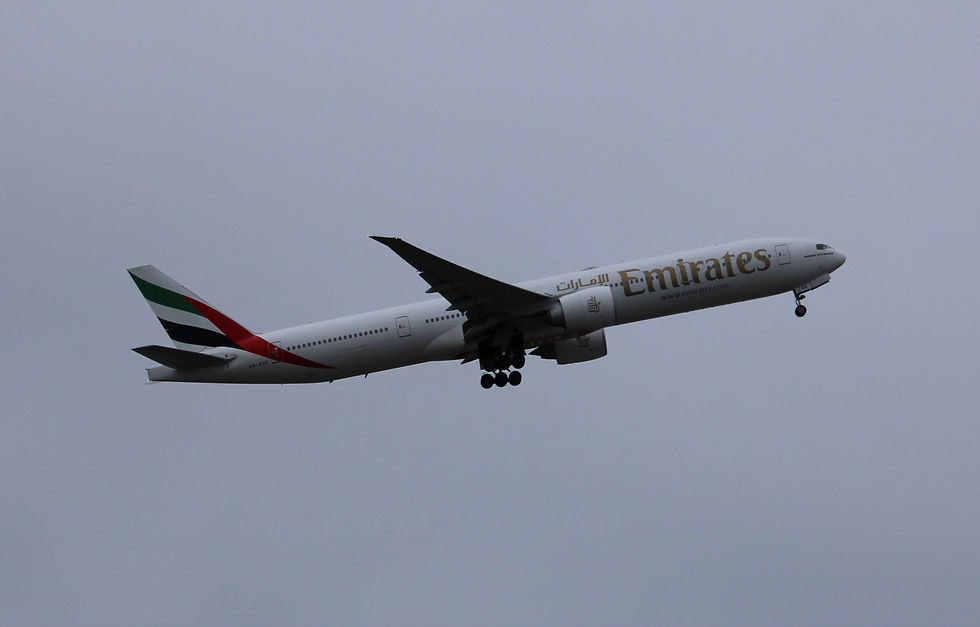
By doing this, it would help increase competition in the Middle East between established carriers such as Emirates or Qatar by adding new airlines into the fray. More players in the region would mean more options for passengers which would eventually help make travel in the region more affordable. Riyadh Air will not replace those established carriers but give passengers more options to choose from when it comes to flying through the Middle East. Hopefully by then, the next key takeaway can be clearer.
Airbus’ Unclear Narrowbody Strategy
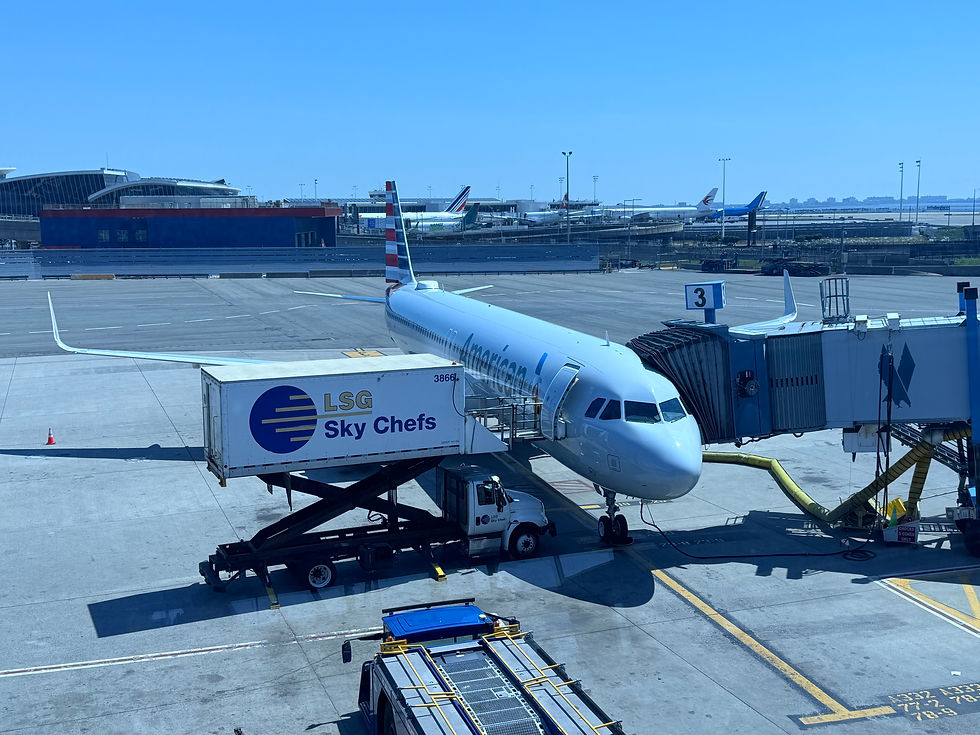
Recently Airbus CEO Guillaume Faury announced that the program to succeed the A320 series will be launched in 2030. Between the new clean sheet design, the A220 series and A320 series, Airbus will have three different jets at the same time occupying the same market. Coby Explanes mentioned in his video that if an A360 were to be developed, it would have to be above the A320 and A220 families rather than overlap.
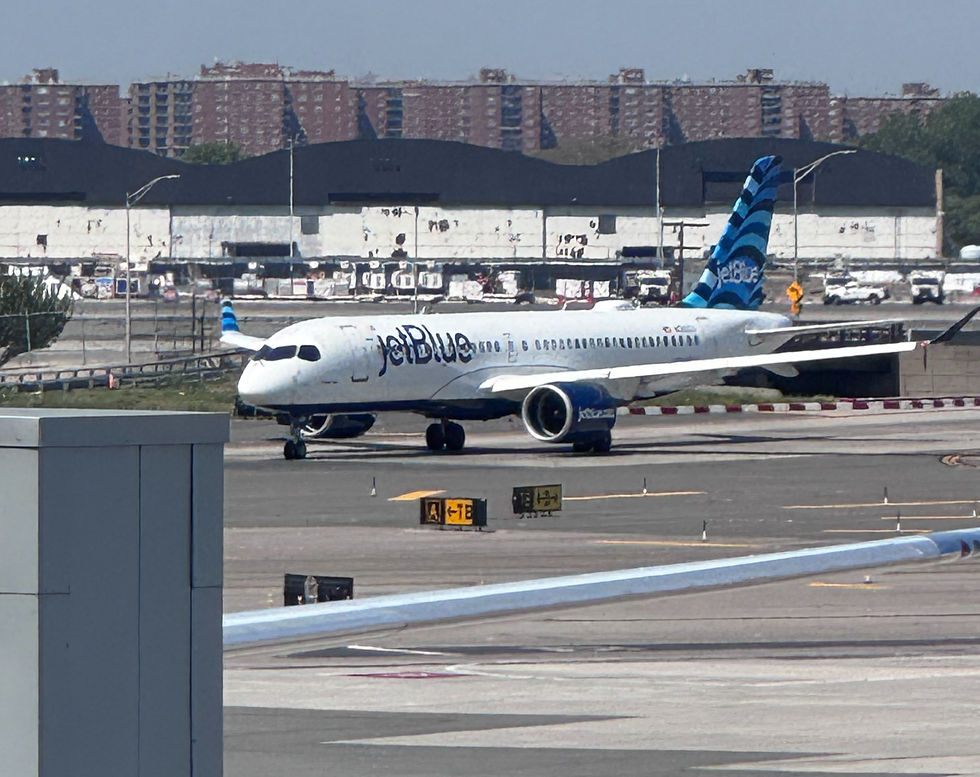
Therefore, if airlines can’t afford the A360 or the A220-500, they can go the cheaper route and order the A320neo series. But as of right now, Airbus is vague about the details. Therefore they need to have more clarity about their new aircraft program soon. Because if they follow that idea, then that would give airlines a plethora of options to choose from when it comes to procuring Airbus narrowbodies. So with all these takeaways, what is the underlying theme of Farnborough 2026?
Recurring Theme of Farnborough 2026
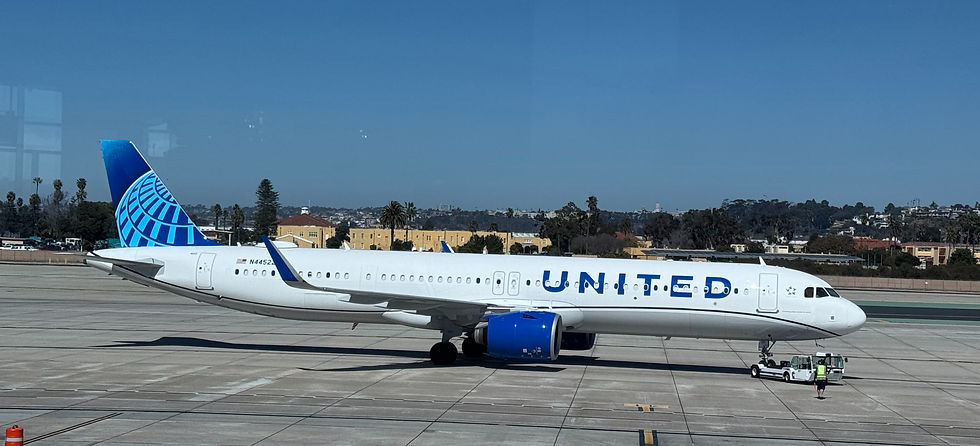
With these takeaways from the airshow what do they all have in common? All of these takeaways relate to the aviation industry developing a resilient supply chain that is able to meet the on-going demands of the industry. These orders from leasing companies, new airlines and others that aren’t mentioned here are to secure delivery slots in the 2030s. And manufacturers are making the necessary upgrades to aircraft that are currently available in order to increase dispatch reliability and simplify the supply chain. But what do you guys think? What are your biggest takes on Farnborough 2026. Feel free to leave a comment down below and keep looking to the sky! Also special thanks to Coby Explanes and Jon Ostrower as well as the rest of the guys on The Air Show podcast for their insights on Farnborough and the 787-10 respectively. This post wouldn't have been possible without their valuable observations on the industry.


fly88 ờ đúng kiểu lúc đầu mình cũng hơi lăn tăn, sợ vào là rối mắt như mấy trang hay nhồi đủ thứ, nhưng mở ra thì giao diện lại khá thoáng nên lướt một vòng không bị “ngợp” như mình tưởng. Mình chỉ xem nhanh cách họ trình bày cho người mới thôi, và thấy cái menu đặt ngay chỗ dễ thấy nên chuyển qua lại giữa các mục khá mượt, không phải đi vòng vòng tìm đường. Có vài khối thông tin dạng bảng cột nhìn gọn, tiêu đề với số liệu tách riêng rõ nên đọc cái là hiểu, đỡ phải căng mắt dò từng dòng. Nói chung mình vẫn giữ chút cảnh giác như thường lệ,…
32WIN làm mình liên tưởng mấy trang mình hay ghé lúc rảnh, kiểu vào lướt một vòng xem bố cục ra sao rồi mới quyết định có ở lại không. Cảm giác đầu tiên là dễ định hướng, vì cái menu để khá rõ mắt nên bấm qua lại không bị mất công tìm. Mình không thích kiểu thanh điều hướng cứ giấu kỹ rồi bắt kéo lên kéo xuống, ở đây thì đỡ hẳn. Nội dung trên trang cũng chia thành từng khối nhìn tách bạch, kéo xuống tới đâu là biết mình đang ở phần nào tới đó. Mình chỉ xem nhanh thôi mà vẫn nắm được ý chính nhờ mấy bảng thông tin dạng cột nhìn gọn,…
rr88 ừ thì mình cũng vừa vào thử thôi, không định tìm hiểu gì sâu. Lướt vài phút thấy trang bày gọn, chữ nghĩa rõ ràng, mấy khối nội dung tách ra nên đọc không bị đứt mạch. Mình để ý phần thao tác kiểu đăng nhập hay chuyển qua lại các mục chạy khá trơn, ít phải bấm vòng vòng nên đỡ bực. Có một điểm khá ổn là họ để riêng mục nói về nguồn gốc với pháp lý ngay trên web, nhìn là thấy chứ không phải mò trong mấy trang phụ. Nói chung mình chỉ xem qua để biết cách họ sắp xếp thôi, nhưng cảm giác là làm cho người dùng lướt nhanh vẫn hiểu…
AI Business Plan Generator showed up when I was skimming a convo about turning a half-baked idea into something you can actually work with, so I opened it on a whim. I didn’t go deep and generate a whole plan, but the page makes its point fast. It calls out that “generic AI chat” vibe where you keep re-prompting and still end up with a long, messy draft you have to stitch together yourself, which honestly is exactly what happens. The tone felt pretty relatable instead of trying to sound like a consultant. Also, the layout is easy on the eyes — you can just scroll and get it without hunting around. The “endless prompting cycle” part is laid out…
Mình trước giờ xem mấy dự đoán chủ yếu để giải khuây thôi, chứ xổ số thì vẫn là chuyện may rủi, không thể đặt niềm tin tuyệt đối được. Dù vậy, nếu biết chọn lọc thì cũng đỡ loạn đầu, nhất là lúc có quá nhiều kiểu luận nghe cái nào cũng có lý. Có thời gian mình thử ghi chép vài kỳ, tham khảo soi cầu mb xem có “hợp tay” không, kết quả cũng bình thường: khi trúng khi trật. Nhưng nhờ vậy mình tập được thói quen giữ kỳ vọng vừa phải, không bị cuốn theo cảm xúc mỗi lần gần giờ quay. Thường mình chỉ xem vài cặp thấy ổn rồi dừng, coi như giải…