


Poor Preflight Practices and Strategies to Improve Preflight Knowledge in Flight Training (Matthew J. Livingston)


Executive Summary

This article examines the impact of poor preflight preparation and inspections due to complacency, distractions, and uncertainty by pilots. In addition, you will find a proposed solution which will help improve safety in the skies for pilots and passengers. It all begins with the preflight practices which pilots must adhere. Poor preflight practices can lead directly to major problems during the entire flight which puts pilots and passengers in danger.
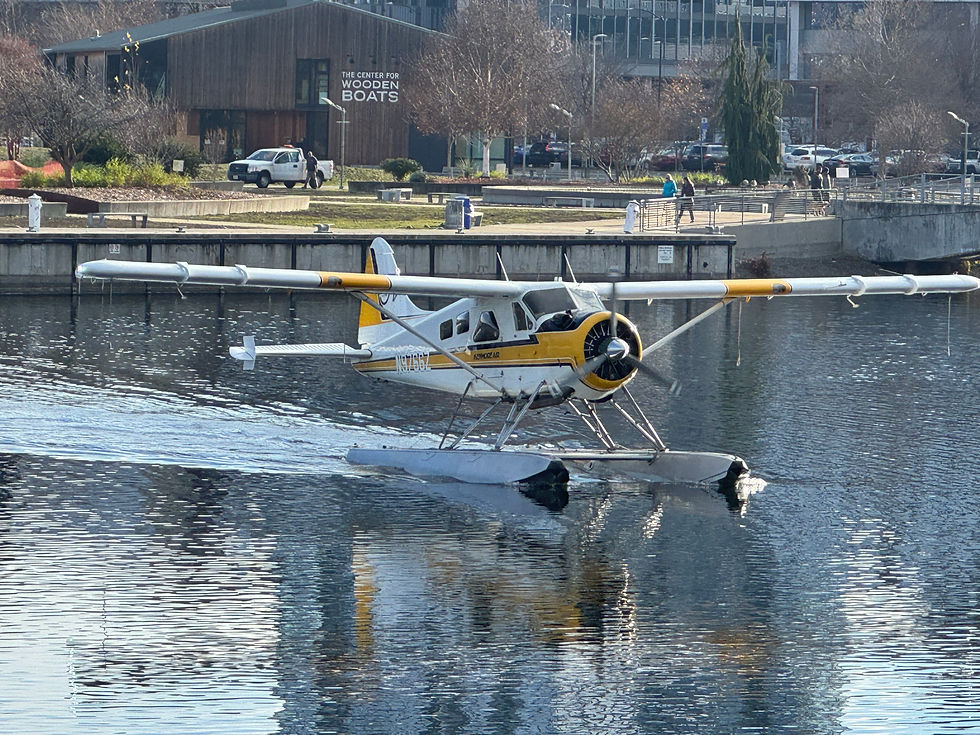
The most common factor of general aviation accidents is inadequate preflight preparation (AIM 7-6-1). In addition, the FAA reported that poor preflight inspections contributed to over 156 accidents in a 10-year period (Hoffmann). Although this issue seems like an easy fix for pilots, these poor practices start early on in-flight training, usually within the first few lessons. Insufficient teaching from flight schools lead pilots to have these poor practices ingrained throughout training and never realize them, until it is too late.

To address this problem, I propose the Federal Aviation Administration (FAA) incorporate stricter standards with Part 61 and 141 flight schools and their program structure and requirements. This change will focus more lesson time on proper preflight procedures to help mitigate potential bad habits among future pilots. These updated standards and requirements will cover aspects of preflight including robust aircraft walk arounds and hands on experience with compromised aircraft parts.

Updating flight schools’ syllabi and incorporating hands on experience is a relatively simple and cost-effective change that can set a more professional standard for new pilots. More robust standards will help eliminate poor preflight habits, thereby reducing both minor and major aircraft accidents.
Introduction & Problem

Aviation is forever changing for the better. Although tragic, aviation accidents have altered most safety protocols and training in one way or another. With over 156 general aviation accidents caused directly by poor/improper preflight practices (Hoffmann), along with 49% of all general aviation accidents stemming from mechanical issues, the majority could have been resolved with proper preflight inspections (FAA Causal Factors). These statistics should be alarming to the FAA, however in the past 50 years they have made no changes to how the curriculum is formatted (Godlewski).

The beginning of every safe flight starts with the preflight phase. Preflight is the equivalent of studying for an upcoming test. The preflight is the opportunity to review all information about the flight before taking to the skies. With major improvements in technology in recent years, apps like Foreflight and Garmin have made obtaining some preflight information such as current weather, forecasts, airports, and route information easy. What has not changed are the FAA standards for teaching the preflight process and the aircraft itself. The average age of a general aviation aircraft is over 50 years old. Regardless of the age of the aircraft, you must understand all parts and components during your preflight inspection.

The solution to these ongoing and unnerving statistics, is to instate changes to curriculum in both Part 141 and 61 flight schools. The changes would tighten pre-flight planning, inspections, and how they are taught by Certified Flight Instructors (CFIs). By implementing a few curriculum changes, flight students would benefit from enhanced scenario-based training which sets students up for real world flying outside of a training environment. These changes would not require major curriculum overhauls, instead they would be a simple addition to the already existing curriculum for flight schools.
Significance of the Problem

Throughout the United States, flight schools fall under two types of flight training. Part 141 and Part 61. Part 141 training, like Embry-Riddle, follows strict curriculum and training standards approved by the FAA. This gives students an accelerated path and skill standards throughout all concepts applicable to pilotage. However, the FAA has not revisited these standards in 50+ years.
Part 61 training is more flexible, allowing people with other commitments to pursue pilot licenses at their own pace. The downside to Part 61 training is the FAA has not mandated specific curriculum requirements for the training. Any CFI can teach in any manner they choose, potentially leading to neglected and rushed topics. Because a specific structure is not in place, concepts like preflight skills can be taught loosely and/or not tested for knowledge retained during training.

The lack of standards in preflight knowledge amongst flight schools is not robust enough to find issues and has the potential to lead to catastrophic consequences.
Flight schools in the United States must follow preset guidelines from the FAA. However, the FAA’s training syllabus for schools has not changed in 50 years. Technology, learning styles, and aircraft regulations have changed drastically in those years. Preflight safety is the most important phase of flight. However, inferior quality or skipped steps in preflight procedures lead to catastrophic disasters like N4406L. A Cessna 172 (N4406L) lost engine power prior to landing from contamination in the fuel tanks. The NTSB found a preflight inspection was not performed by the pilot (Ranter). Accidents like this are preventable with a 15-minute preflight walkaround. The preflight walkaround is essential to identifying faulty parts and components that could interfere with the safety of the flight. According to the FAA, pilots should be trained in how to properly perform a preflight walkaround (AIM 5-1-1), but most of the time, pilots are not taught what faulty parts look like. Without that knowledge, pilots could miss alarming details that lead to disastrous outcomes like N4406L.

Problem Statement

FAA structure of curriculum in flight schools is outdated and lacks important detail in the standards and procedures of the preflight process. This lack of specificity in teaching one of the most important areas of flight operations has led to avoidable accidents. Without updates to standards and curriculum, the US and the flying public could still be impacted by preventable aviation accidents. Addressing these growing concerns will reduce incidences and accidents.

Figure 1. Leading causes of aircraft incidents/accidents from poor preflight in a 20-year time period in general aviation, as indicated by all colors except yellow.
Significance Section
Who is Affected
Flight schools and pilots are the first line of defense and therefore are directly affected. Every pilot is solely responsible for the aircraft they are flying. This includes student pilots early in their flight training to the most senior pilots at large commercial airlines. A poor preflight can end one’s career in an instant.

Secondly, passengers, innocent bystanders, aircraft owners and insurance companies, could be affected if there is accident due to poor preflighting by the pilot. It’s shocking how wide the ripple effect could be related to this avoidable error. If these improper practices are not corrected early as a pilot builds time, passengers and people on the ground could be at risk.
Harrowing examples of improper practices during preflight include Northwest Flight 255 and Helios Flight 522. The ripple effect of air crash investigations can lead to immense scrutiny towards owners and operators of the aircraft. It doesn’t matter the size of the operator/company: major airlines, small family-owned planes and flight schools can all be impacted negatively.

CFIs may receive backlash for improper teachings due to the lack of structure part 61 flight schools or outdated curriculum in part 141 schools. Poor preflight practices as simple as missing a bolt on a major flight control surface can escalate into consequences that impact not just one flight but the whole aviation industry.
Urgency
“While there have been incremental efforts to expand or refine this regulatory structure, the fundamental philosophy and methodologies used to train professional aviators have not evolved at a pace consistent with the demands of modern aviation” (Godlewski). With technology growing at a faster pace than ever, the FAA needs to make urgent changes in the outdated curriculum. The FAA has said they will be implementing modernization of part 141 curriculum in the next 2-3 months. Some changes they are recommending include electronic flight computers, encouraging curriculum sharing between certified schools, and extending temporary certification for new pilots from 60 to 120 days (Godlewski). While these changes improve fluidity in flight training, allowing a clearer base line for tools allowed, eg. iPads vs paper charts, some argue that these changes do not address improving overall safety. The FAA has not announced revisiting the curriculum structure to pinpoint previous weak or deficient areas like preflight practices.
Proposed Solution
Curriculum Overhaul
To fix this alarming issue, addressing a curriculum change for both 141 and 61 flight programs will help bring light to proper preflight practices through more thorough training. This simple, yet effective change will be easy to implement and only require minor adjustments at flight schools to comply. Currently, in Federal Air Regulations (FAR) 14 CFR 141.55(c)(7), the contents of what is taught is up for interpretation and does not clearly state all required subjects be covered during training.
With the FAA making constant changes to the FAR, this change is feasible and can be implemented within months. Flight schools would be slightly affected, requiring small curriculum changes specifically for Private Pilot License courses. Adding an additional two preflight modules in the training curriculum will only add a few additional hours of training but is essential for any future pilot. The few hours of additional training could mean the difference between life or death in the future.

Figure 2. Course curriculum for Part 61 flight school. 1 hour of required preflight training is listed.
Part 61 training will require a little more effort. Currently, 61 training is so popular because of its flexibility and lower time requirements. The reason people are hesitant with restructuring part 61 format is the unknown of whether it will affect the flexibility of the flight training. This proposed audit to the required curriculum would only emphasize a tighter focus on preflight procedures. This would not have a large effect on the flight training requirements. Although the FAA has leaned toward the “Performance-based” standards (what you can do) versus the “process-based” standards (what your taught), finding a happy median between both can greatly increase quality of pilots being trained.
Certified Flight Instructor (CFI) Engagement
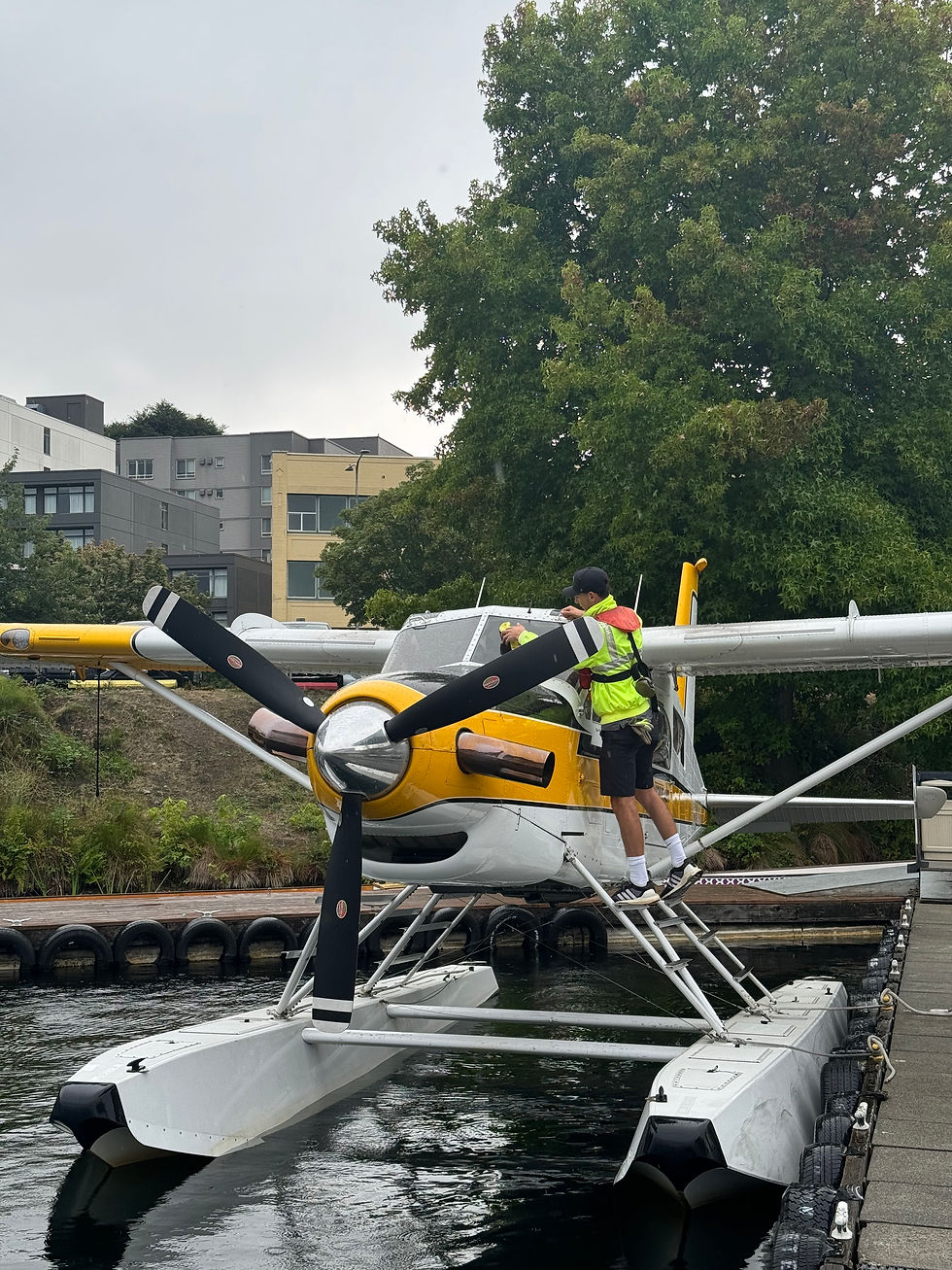
Often, the student pilot is not observed or audited by the certified flight instructor during the preflight after the initial few lessons. These poor practices, if not corrected early on, create bad habits which can lead to complacency over time. CFIs should incorporate more hands-on learning during preflight teaching. As someone who had little training in proper preflight walkarounds during private pilot training, the importance of this is vital. While some flight instructors do a better job than others, they should all educate their students on what equipment, parts and components look like when they are broken or not usable. Students who only see “normal” aircraft conditions will struggle when abnormal ones are presented to them. Many real-world faults or failures are often subtle, like fuel contamination, worn components, or corrosion.
Such abnormal conditions can be found in a flight school setting due to the amount of flight time and wear and tear the aircraft go through. This gives plenty of hands-on examples for CFIs to show their students, like worn tires or breaks, oil leaks, frayed control cables, etc. There is also plenty of scenario-based learnings that can be implemented at the beginning of every flight that take only a few minutes, exposing students to real world decisions like, “Would you fly this aircraft in this condition if ___ was like this?” That alone gives students preparation for real world flying when there is nobody to help or double-check the aircraft.

Conclusion

Preflight safety is extremely important; however, it is one of the easiest and most common steps to overlook by pilots. Alarmingly, accidents are being displayed to the public and changes from the FAA have been few and far between. Building safe and effective habits early in flight training will drastically change the safety of aviation. Most airlines and pilots have a goal of “zero-accidents” showing safety is of the upmost importance. Establishing an update to the outdated curriculum will create an impactful learning environment for students. This can also be achieved by CFI engagement with non-traditional learning styles like situational based learning and hands-on experiences.
“Safety first: Never rush the preflight checklist. Even if your instructor is pressing you to hurry up. Don’t be afraid to call out an issue or a concern.” - Mark Stimmel, Alaska Airlines First Officer and CFI
References
FAA Safety Team. (2023, March). Maintaining Aging General Aviation Aircraft. FAAST. https://www.faasafety.gov/files/events/EA/EA68/2023/EA68121005/EA68121005F.pdf
Federal Aviation Administration. (n.d.). AIM Chapter 5. Air Traffic Procedures. https://www.faa.gov/air_traffic/publications/atpubs/aim_html/chap5_section_1.html
Federal Aviation Administration. (n.d.). AIM 7-6-1. AIM Section 6. Potential Flight Hazards. https://www.faa.gov/air_traffic/publications/atpubs/aim_html/chap7_section_6.html
Federal Aviation Administration. (2004). Causal Factors for General Aviation Accidents/Incidents. https://www.faa.gov/sites/faa.gov/files/aircraft/air_cert/design_approvals/small_airplanes/Causal%2520Factors%2520-%2520Final%2520Report.pdf
Federal Aviation Administration. (n.d.). FAR 141.55. Federal Aviation Regulations. https://www.ecfr.gov/current/title-14/chapter-I/subchapter-H/part-141/subpart-C/section-141.55
Godlewski, M. (2026, April 6). Proposed modernization of flight training in FAA’s hands. FLYING Magazine. https://www.flyingmag.com/proposed-modernization-of-flight-training-in-faas-hands/?utm_source=chatgpt.com
Hoffmann, T. (2011, April). Going Beyond Preflight. FAA Safety Briefing. https://www.faasafety.gov/Standdown/content/GoingBeyondPreflight.pdf
Ranter, H. (n.d.). Accident Cessna 172G N4406L, Thursday 27 June 2002. Aviation Safety Network. https://aviation-safety.net/wikibase/297065


Nicely done! Great, well-researched article. Two thumbs up.👍🏼 👍🏼